-
How Can Friendship Day Help Reduce Loneliness Among Seniors?
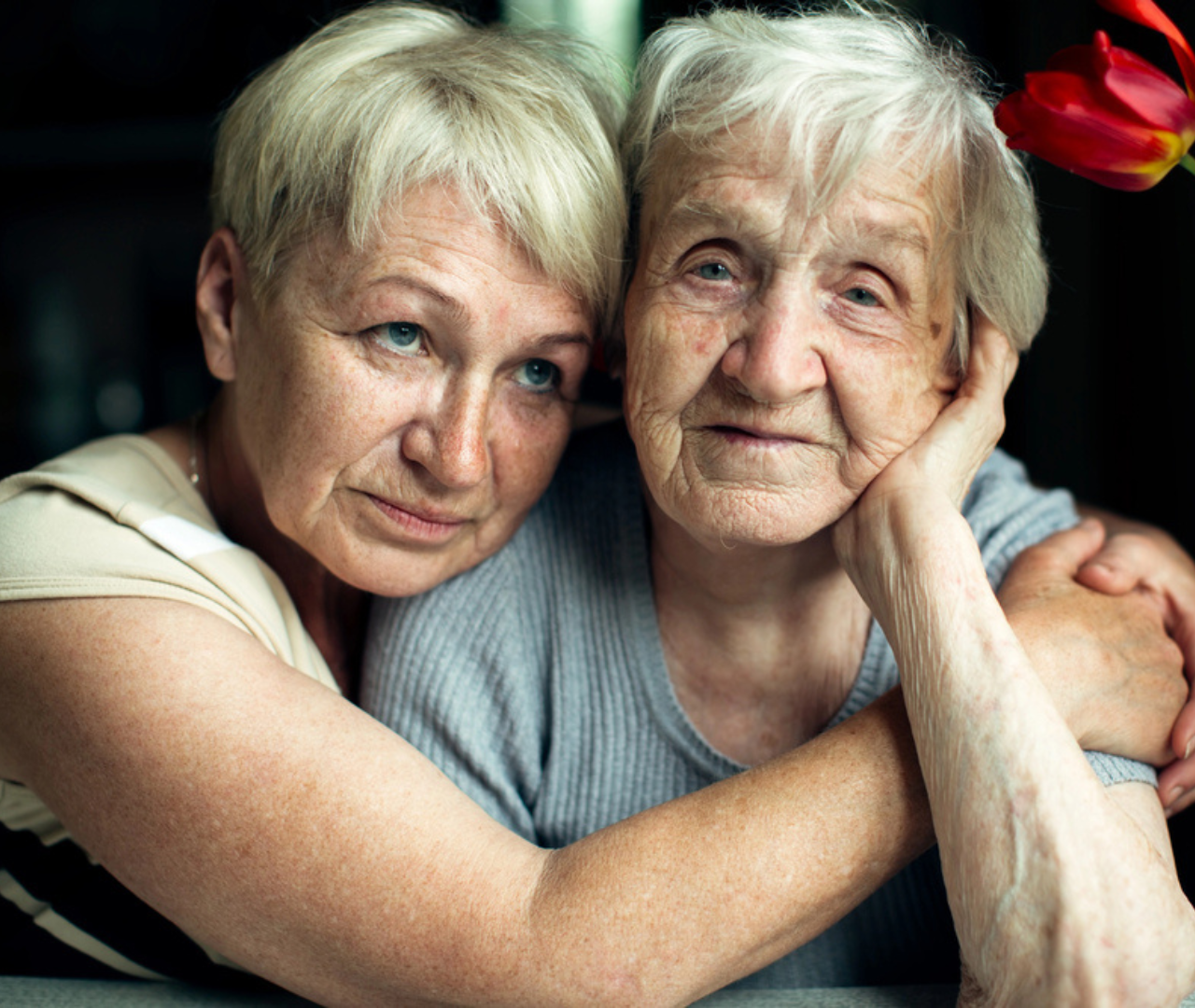
Friendship Day helps reduce loneliness among seniors by encouraging meaningful social connections, regular communication, and shared experiences. Spending time with friends, family members, neighbors, and caregivers can improve emotional well-being, increase confidence, and help older adults feel more connected to their communities. Even small acts of kindness can make a lasting difference. Friendship Day, celebrated…
-
How Can World Humanitarian Day Inspire Compassionate Senior Care?

World Humanitarian Day reminds caregivers and senior care agencies that compassion, kindness, and respect can make a meaningful difference in the lives of older adults. By providing personalized care, listening with empathy, and supporting independence, caregivers help seniors feel valued, safe, and connected every day. Observed each year on August 19, World Humanitarian Day recognizes…
-
How Can Seniors Stay Hydrated and Healthy During Summer ?
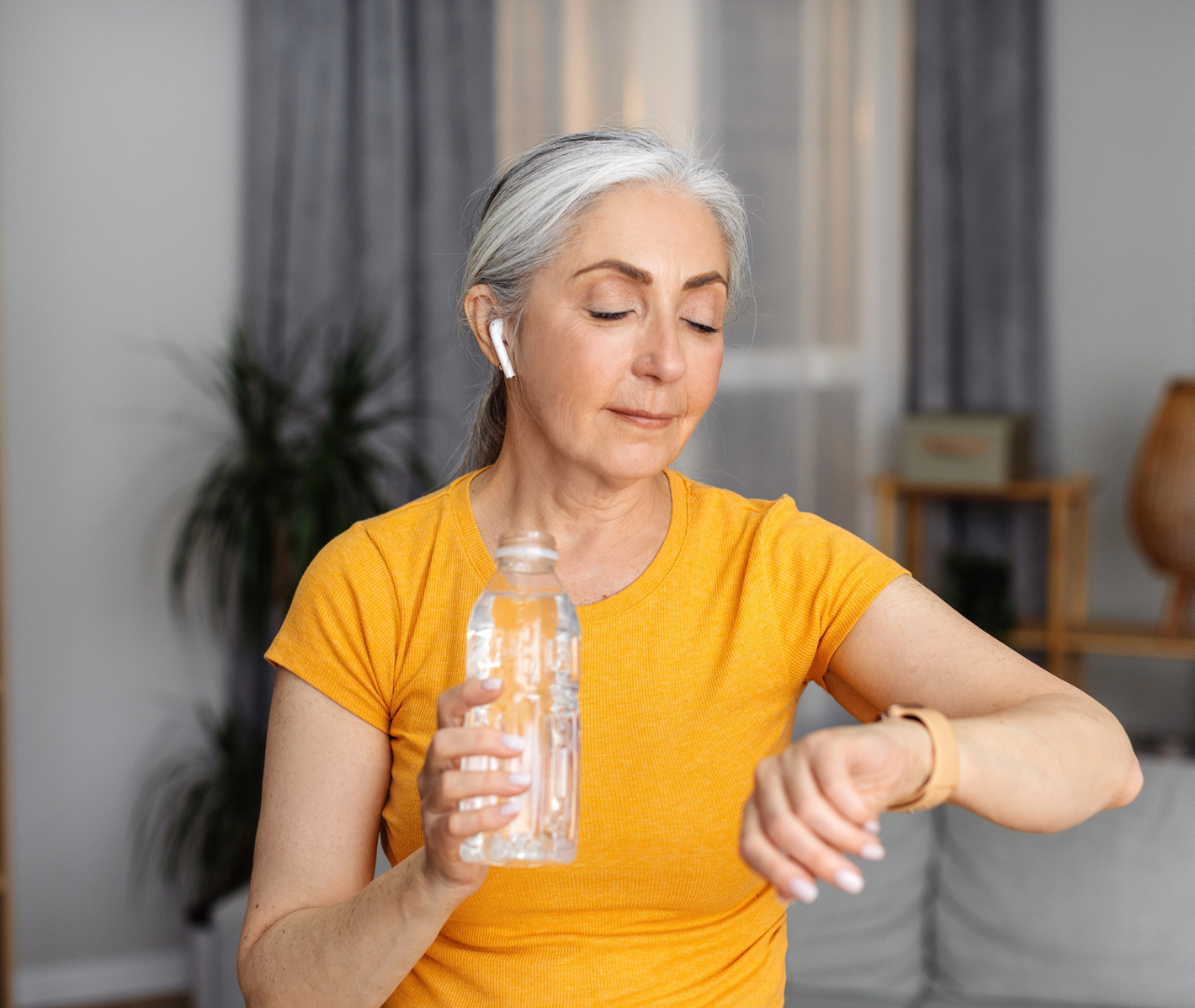
Seniors can stay hydrated and healthy during summer by drinking enough water, eating water-rich foods, avoiding extreme heat, and following healthy daily habits. Older adults are more likely to become dehydrated during hot weather, so it is important to stay cool, rest often, and pay attention to signs of heat-related illness. Simple summer safety steps…
-
Why Is International Self-Care Day Important for Older Adults?
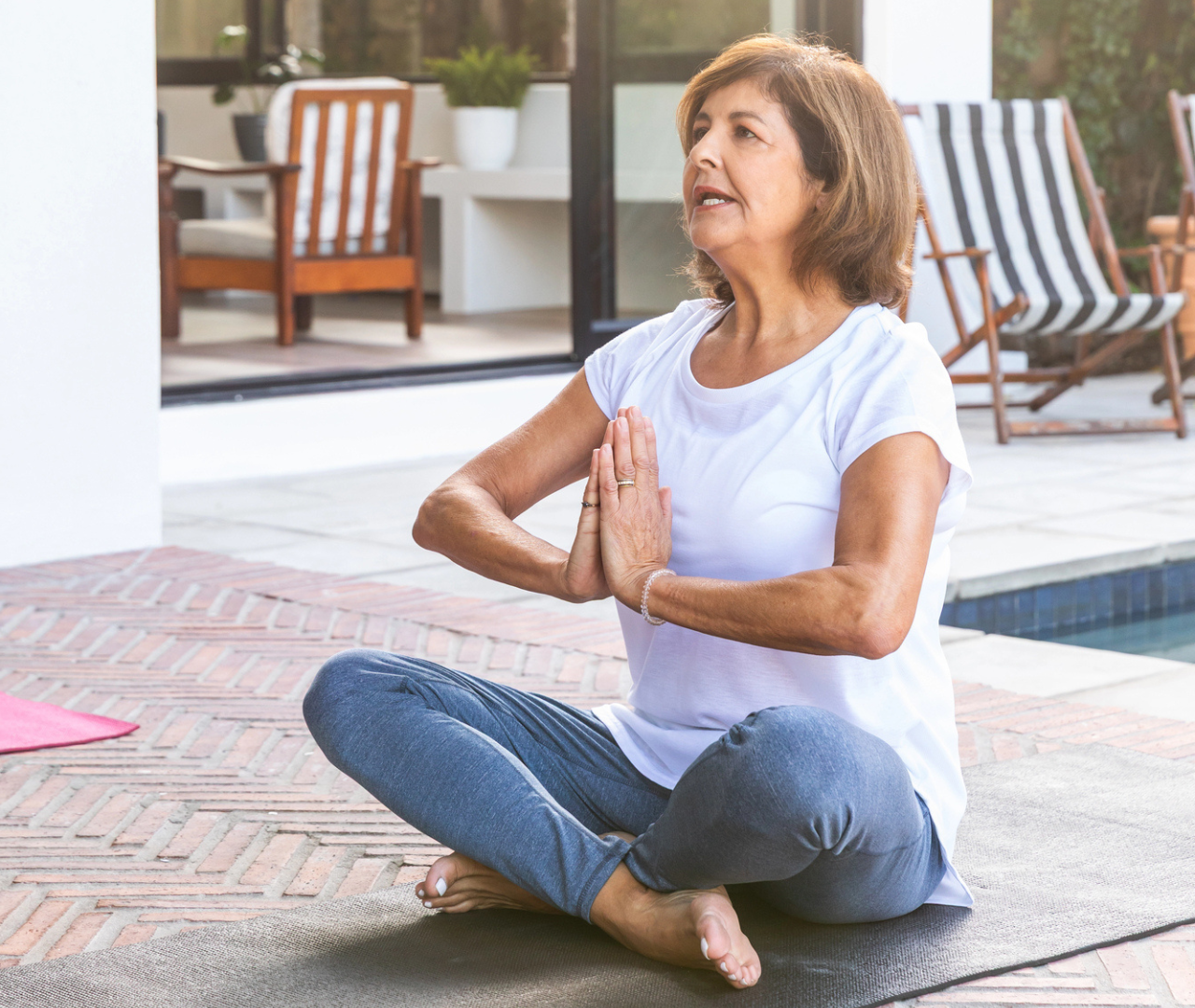
International Self-Care Day is important for older adults because it encourages healthy daily habits that support physical, emotional, and mental well-being. Simple self-care practices like staying active, eating nutritious meals, getting enough rest, and managing stress can help seniors maintain independence and improve their quality of life. This health awareness day also reminds families and…
-
How can caregivers improve safety for seniors during National Lightning Safety Awareness Week?
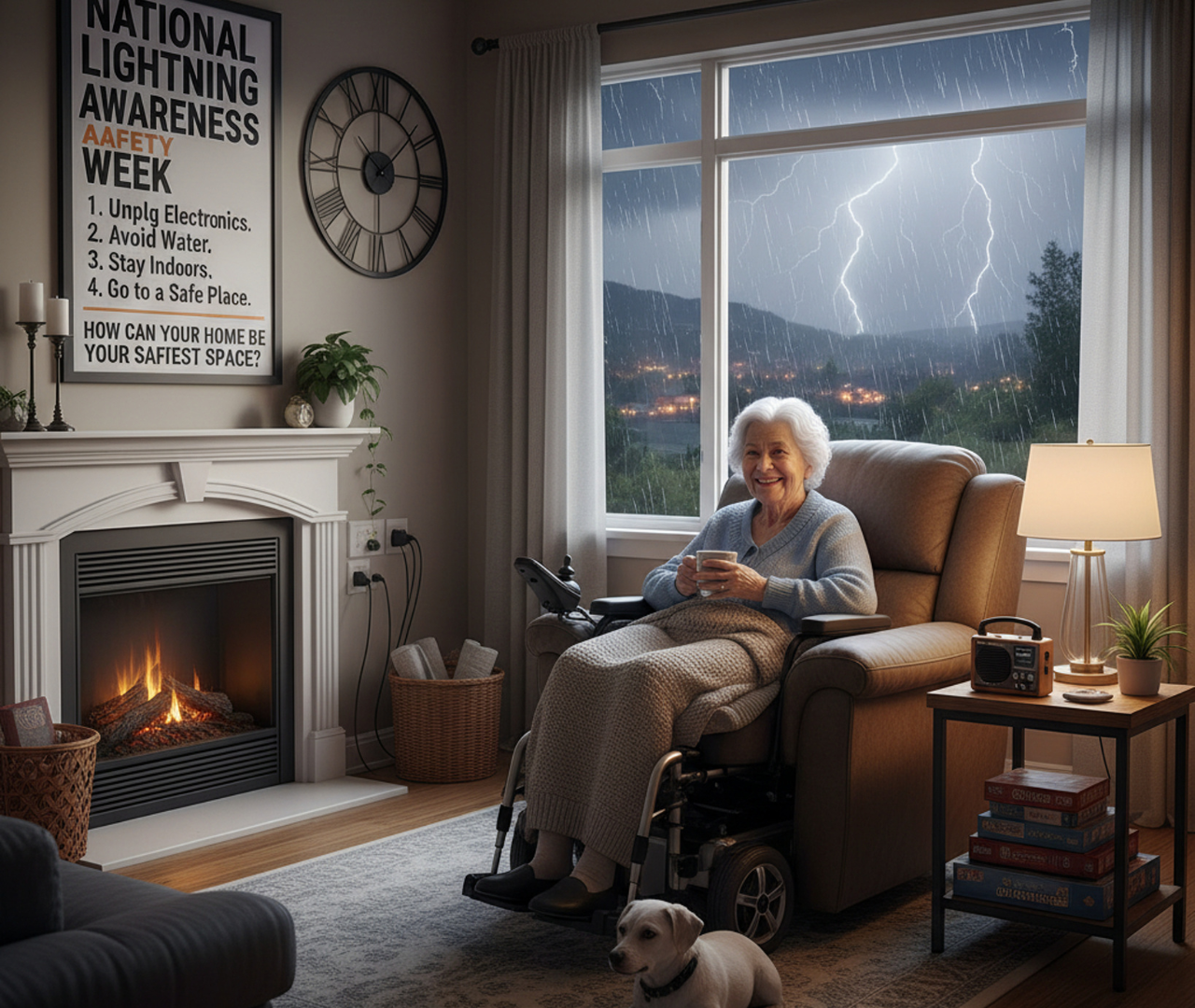
Caregivers can improve safety for seniors during National Lightning Safety Awareness Week by planning ahead, reducing outdoor risks, and making indoor spaces storm-safe. Simple actions like checking the weather, bringing seniors indoors early, and preparing the home for power outages can prevent injuries and reduce stress. This awareness week, usually observed in summer, is a…
-
Why do routines help people with Alzheimer’s feel more comfortable
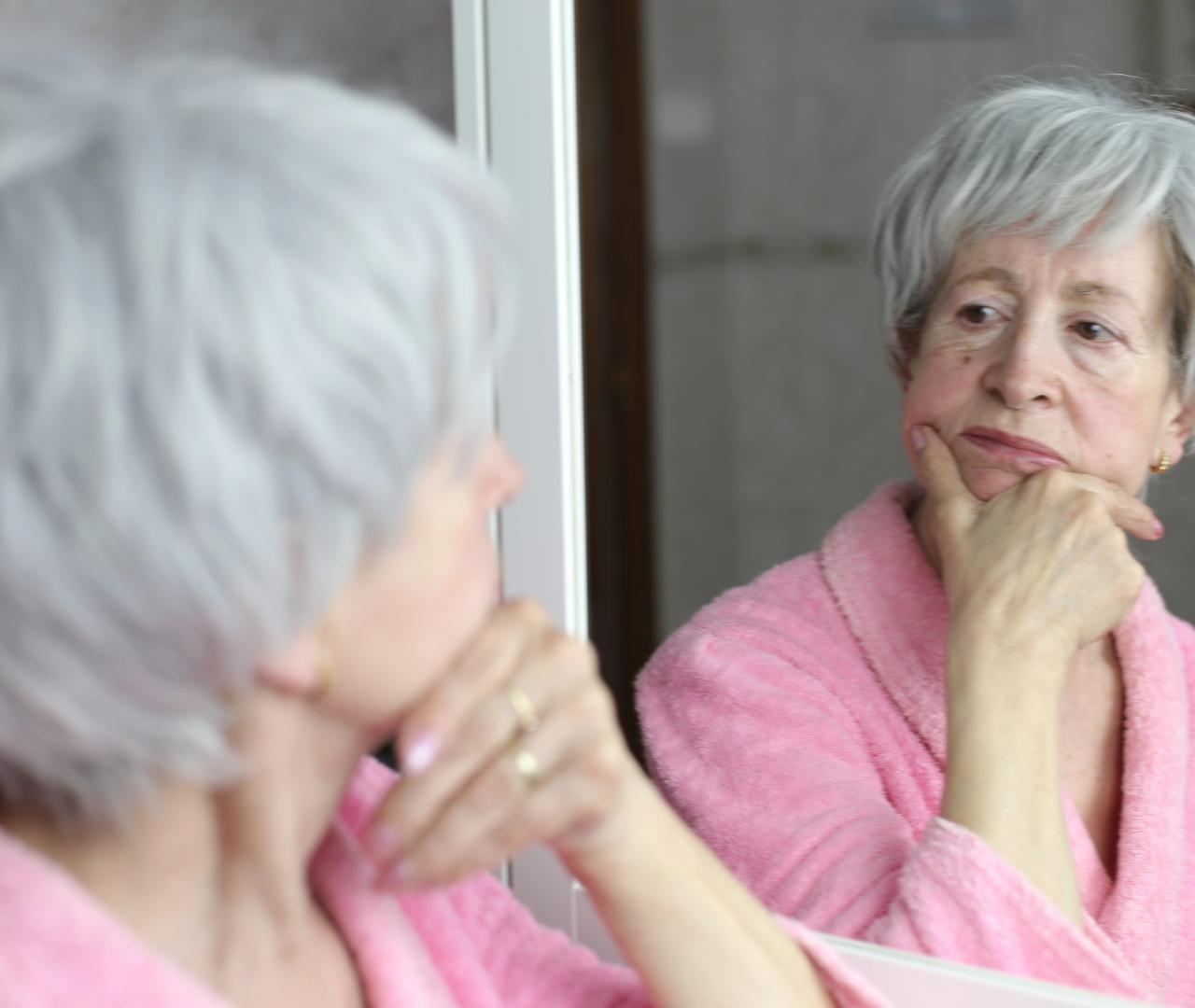
Routines help people with Alzheimer’s disease feel more comfortable because they make each day predictable, reduce confusion, and lower anxiety. When activities happen in the same order every day, the brain does not have to figure out what comes next. This helps people feel calm and safe. Key ways routines improve comfort: How routines support…
-
How Does Technology for Senior Care Help Families Stay Connected?

As families grow more geographically dispersed and seniors increasingly choose to age at home, technology has become a powerful tool for supporting safe and connected senior care. Modern digital tools now allow families, caregivers, and healthcare professionals to stay informed about a senior’s health, safety, and daily well-being even when they cannot be physically present.…
-
Caring for Aging Parents: What To Do and What To Avoid?
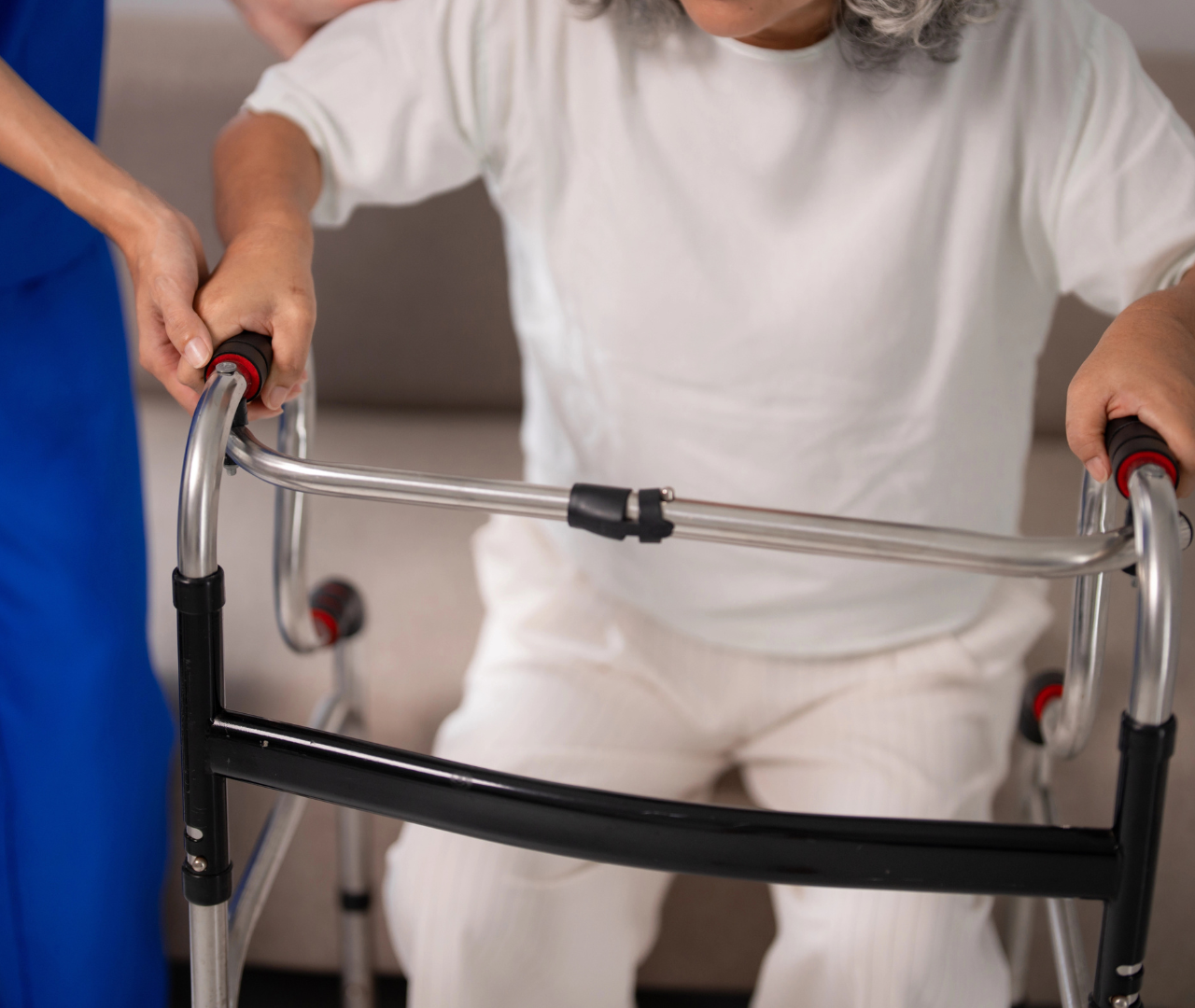
Caring for aging parents is a responsibility many families face as loved ones grow older. While it can be a meaningful and rewarding experience, it also requires patience, planning, and awareness of the changing needs that come with aging. Older adults may experience physical, emotional, or cognitive changes that affect their daily routines and independence.…
-
Safe Senior Living: 10 Essential Steps Every Family Should Know
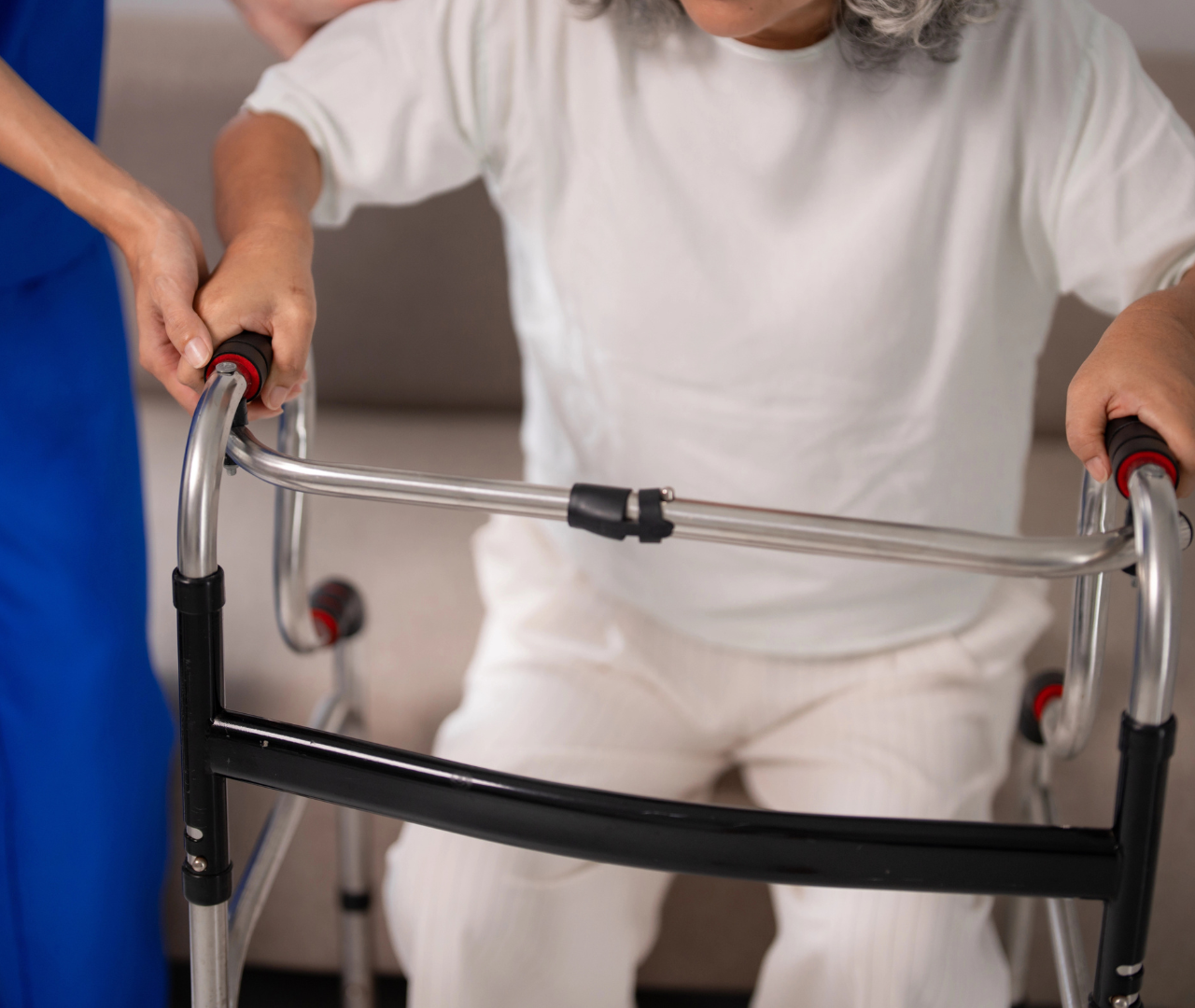
As people age, maintaining a safe and supportive living environment becomes increasingly important. Many older adults prefer to remain in their homes for as long as possible, a choice often referred to as “aging in place.” While this can provide comfort, independence, and familiarity, it also requires careful attention to safety, health management, and daily…
-
How Can Home Care Improve Quality of Life for Seniors with Parkinson’s?

Parkinson’s disease is a progressive neurological condition that affects movement, balance, coordination, and sometimes mood and memory. For seniors living with Parkinson’s, daily activities can gradually become more challenging. Home care offers personalized support that helps maintain independence, improve comfort, and enhance overall quality of life. With the right strategies, seniors with Parkinson’s can continue…