-
What Home Care Support Is Needed After a Stroke?
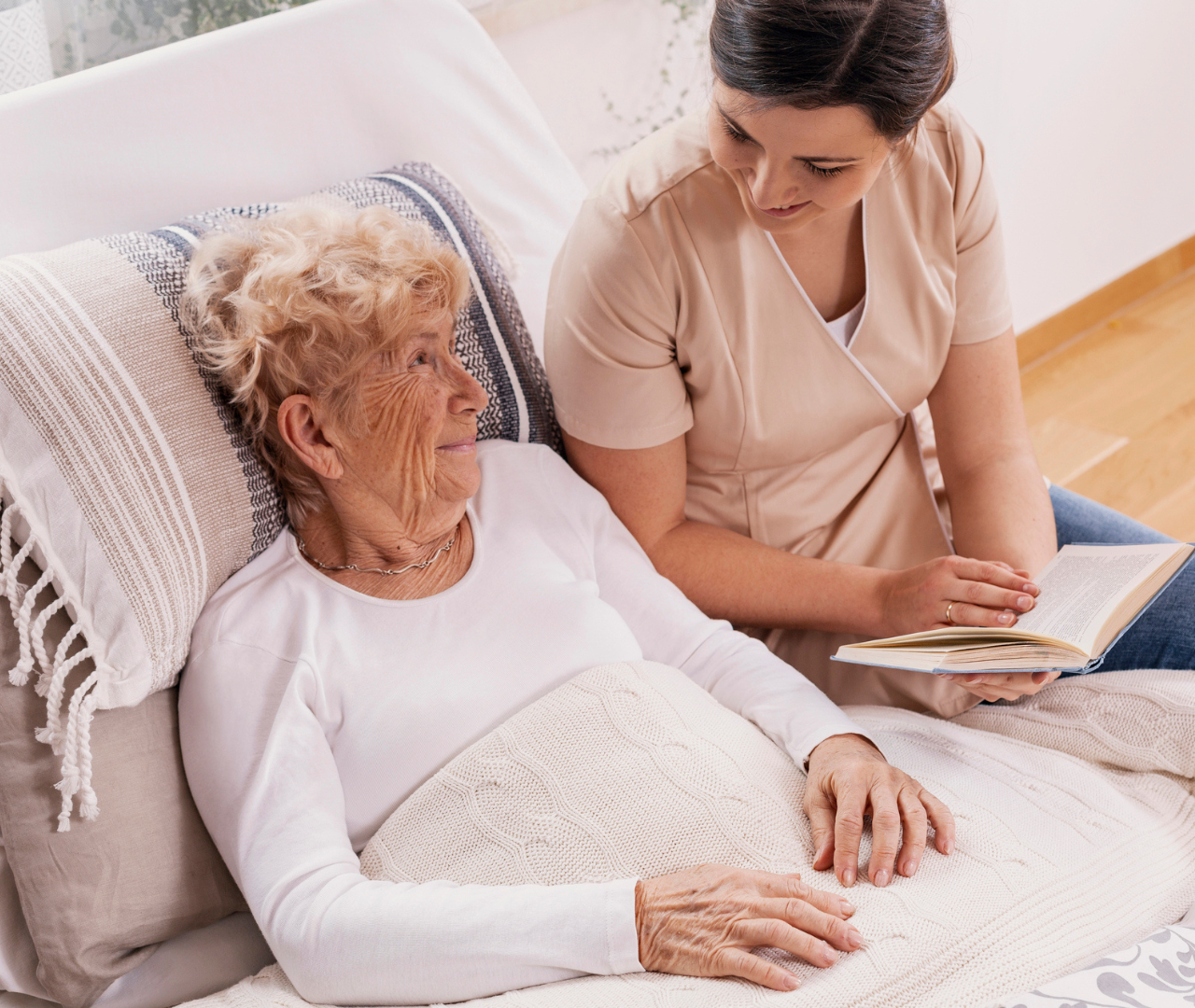
When a senior returns home after a stroke, families often feel relieved but also uncertain. Hospital care is structured and supervised. Home life is familiar but less controlled. Recovery does not stop at discharge. In many cases, the most important progress happens at home through daily routines, guided support, and careful observation. Home care providers…
-
How Do Home Care Providers Help Seniors Control Blood Pressure?
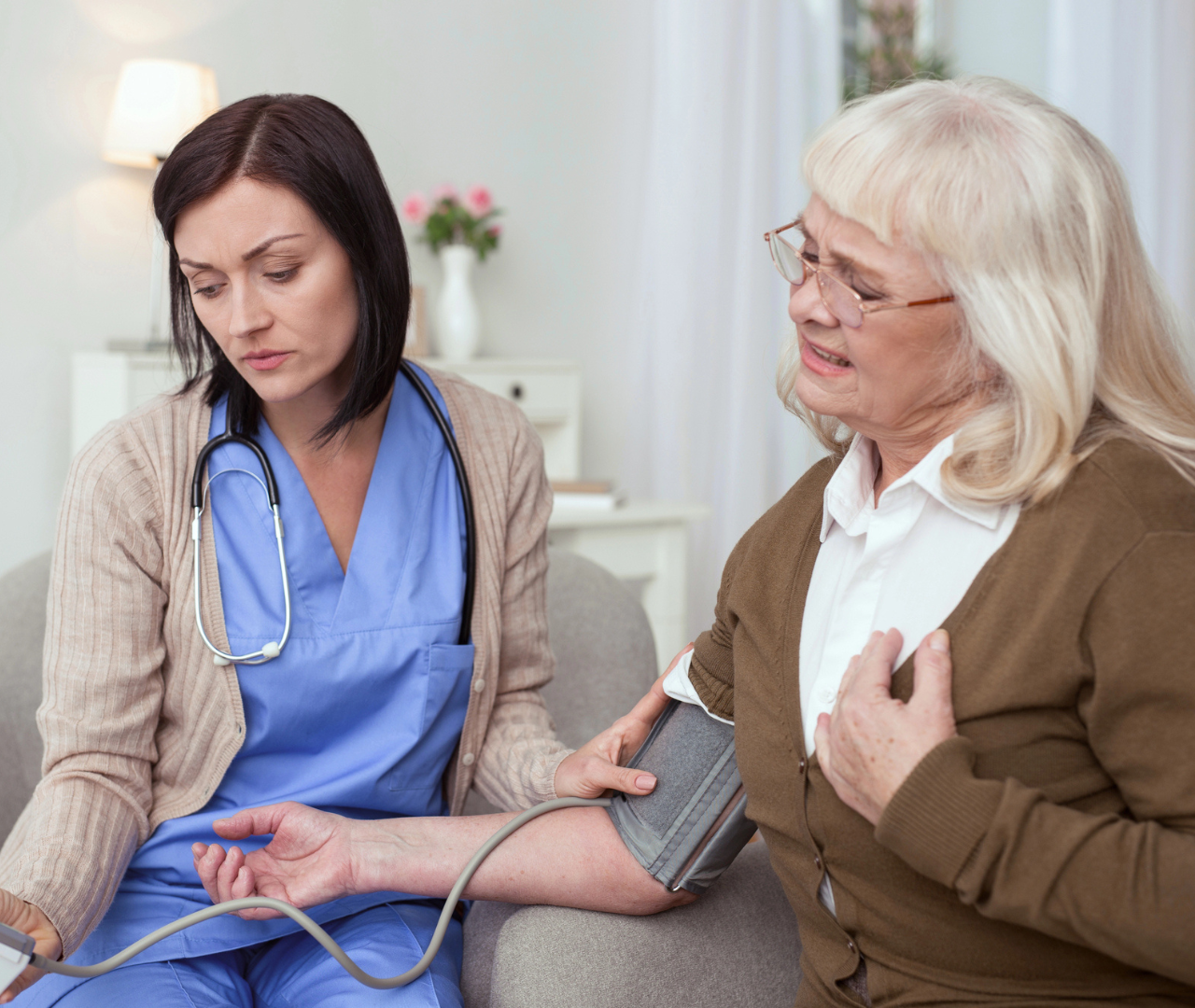
Daily Monitoring and Tracking Regular blood pressure monitoring helps detect patterns and prevent sudden spikes or drops. Many seniors forget to check or record readings. Home care providers make this a routine task. Tips step by step Consistent tracking gives doctors better data to adjust treatment if needed. Medication Support and Accuracy Missing doses or…
-
How Does Better Sleep in Spring Quietly Improve Senior Health More Than We Realize?

Sleep rarely gets the attention it deserves, especially for seniors. We talk about movement, nutrition, medications, and safety. Sleep often sits quietly in the background, assumed to be either good or bad, with little thought about how deeply it shapes daily health. Spring changes that. As days grow longer and mornings feel gentler, many seniors…
-
Why Does March Feel Like the Moment Seniors Notice Subtle Energy Shifts in Their Bodies?

March rarely arrives with a dramatic announcement. There is no sudden warmth, no instant burst of energy, no clear signal that something has changed. And yet, many seniors quietly sense it. Something feels different. It might be waking up a little earlier without trying. A slightly stronger desire to step outside. Or the opposite, a…
-
How Does National Nutrition Month Reveal the Quiet Role Food Plays in Aging Well?
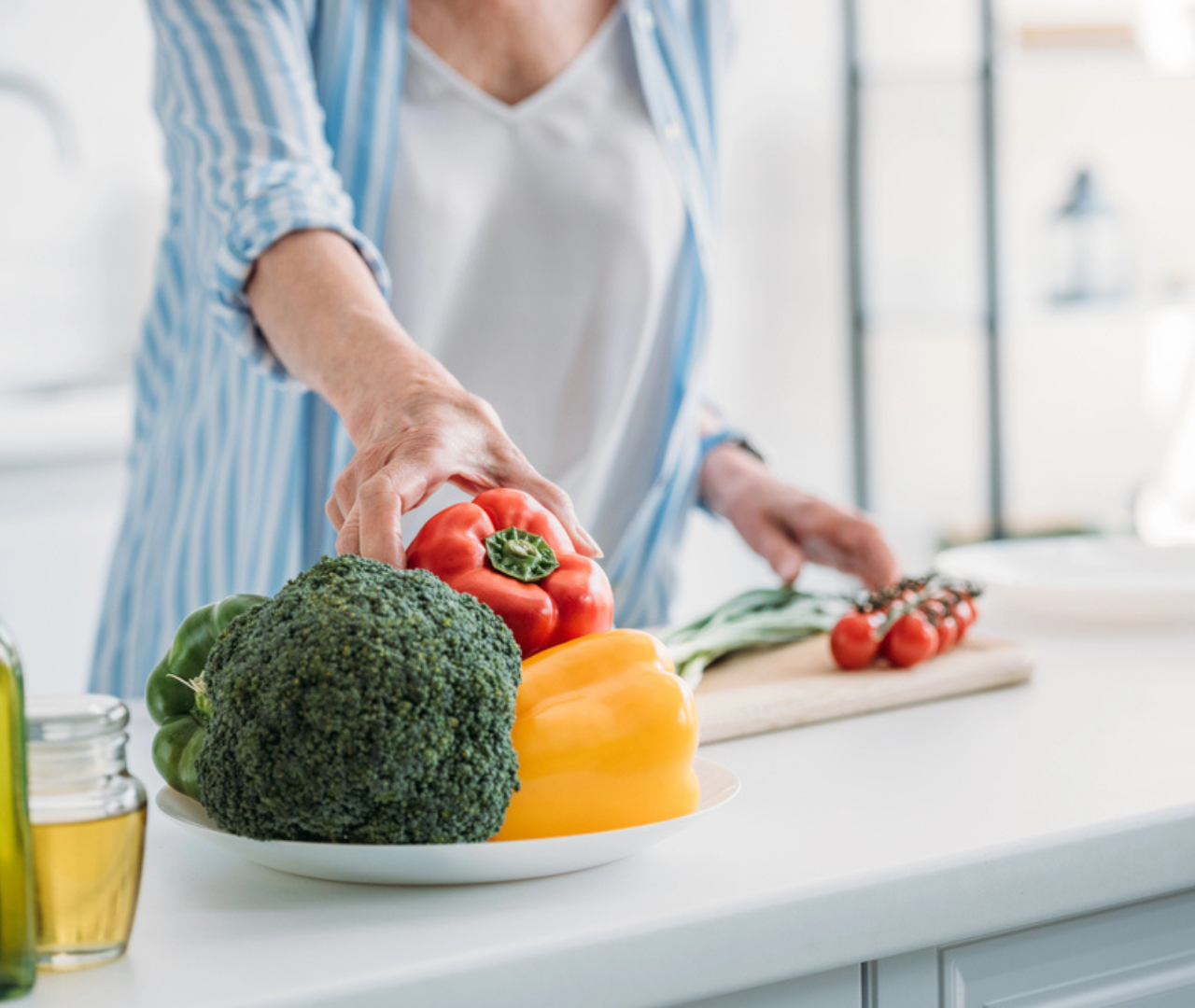
National Nutrition Month often brings loud conversations. Superfoods. Diet plans. New rules. Perfect plates. But when you spend real time around older adults, especially in their homes, you notice something very different. Nutrition in later life is rarely loud. It is quiet. It shows up in small choices, repeated daily, shaping energy, confidence, and even…
-
How Is Loneliness Quietly Connected to Physical Decline in Older Adults?
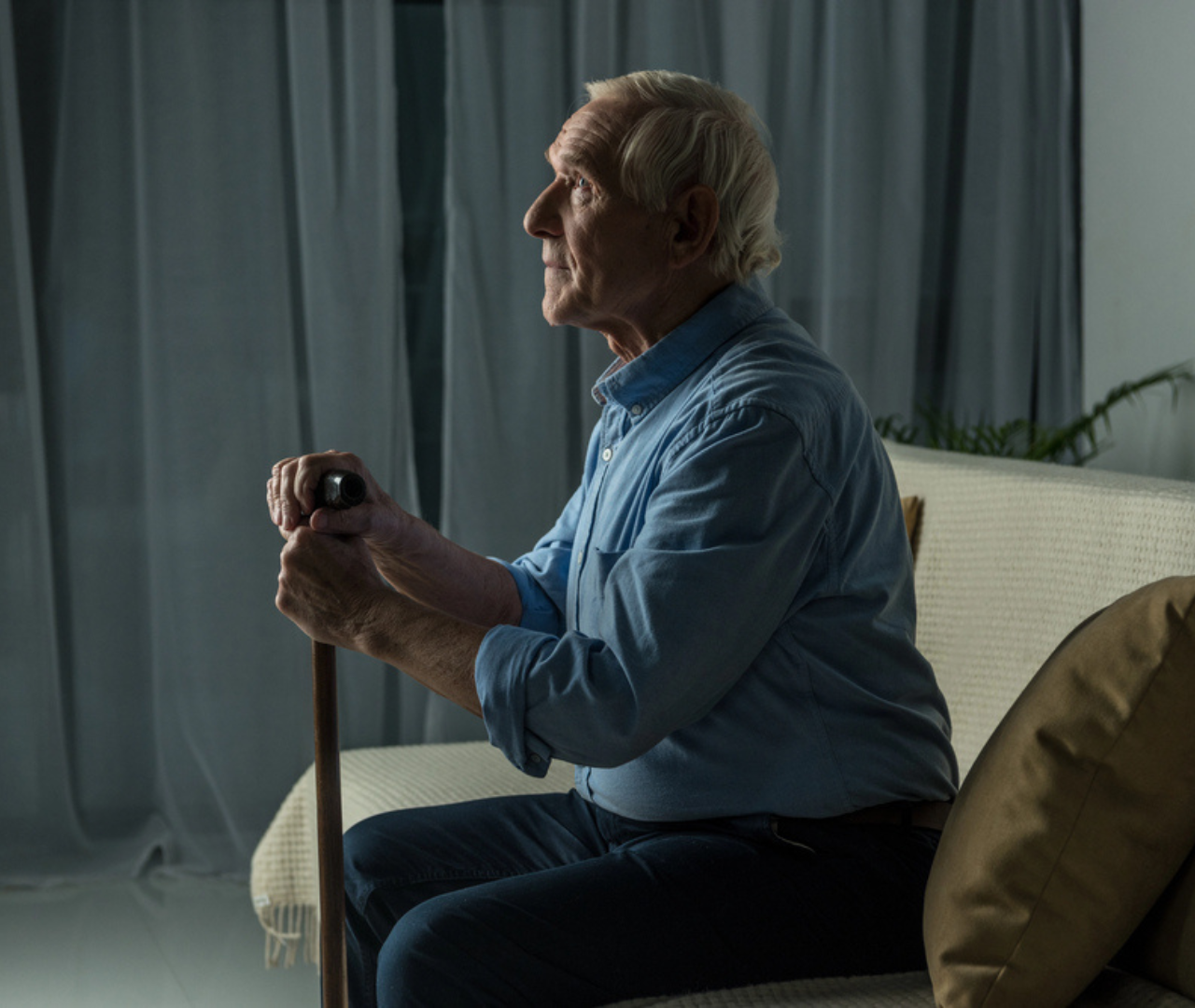
Loneliness does not announce itself loudly. It does not arrive with clear symptoms or urgent warnings. It settles in quietly, often disguised as routine, independence, or even strength. Yet after years of working closely with older adults through home care, mobility support, wellness planning, and everyday conversations, I have learned that loneliness is one of…
-
What Does Heart Health Month Reveal About the Emotional Side of Aging We Rarely Talk About?

Heart Health Month usually brings familiar conversations. Cholesterol numbers. Blood pressure readings. Diet charts. Exercise reminders. All important, all necessary. But after years of working closely with older adults in their homes and daily routines, I have learned that heart health is not only physical. It is emotional in ways we rarely acknowledge, and February…
-
Why Does February Make Seniors Rethink What “Living Fully” Actually Means?

February has a quieter energy than January. The rush to reinvent life has faded, and the year has settled into something more honest. For many seniors, this month brings reflection rather than resolution. It becomes a time to reassess what “living fully” actually means at this stage of life. As someone who works closely with…
-
What Blood Donor Month Doesn’t Tell You: The Smallest Sacrifice That Changes Someone’s Entire Life
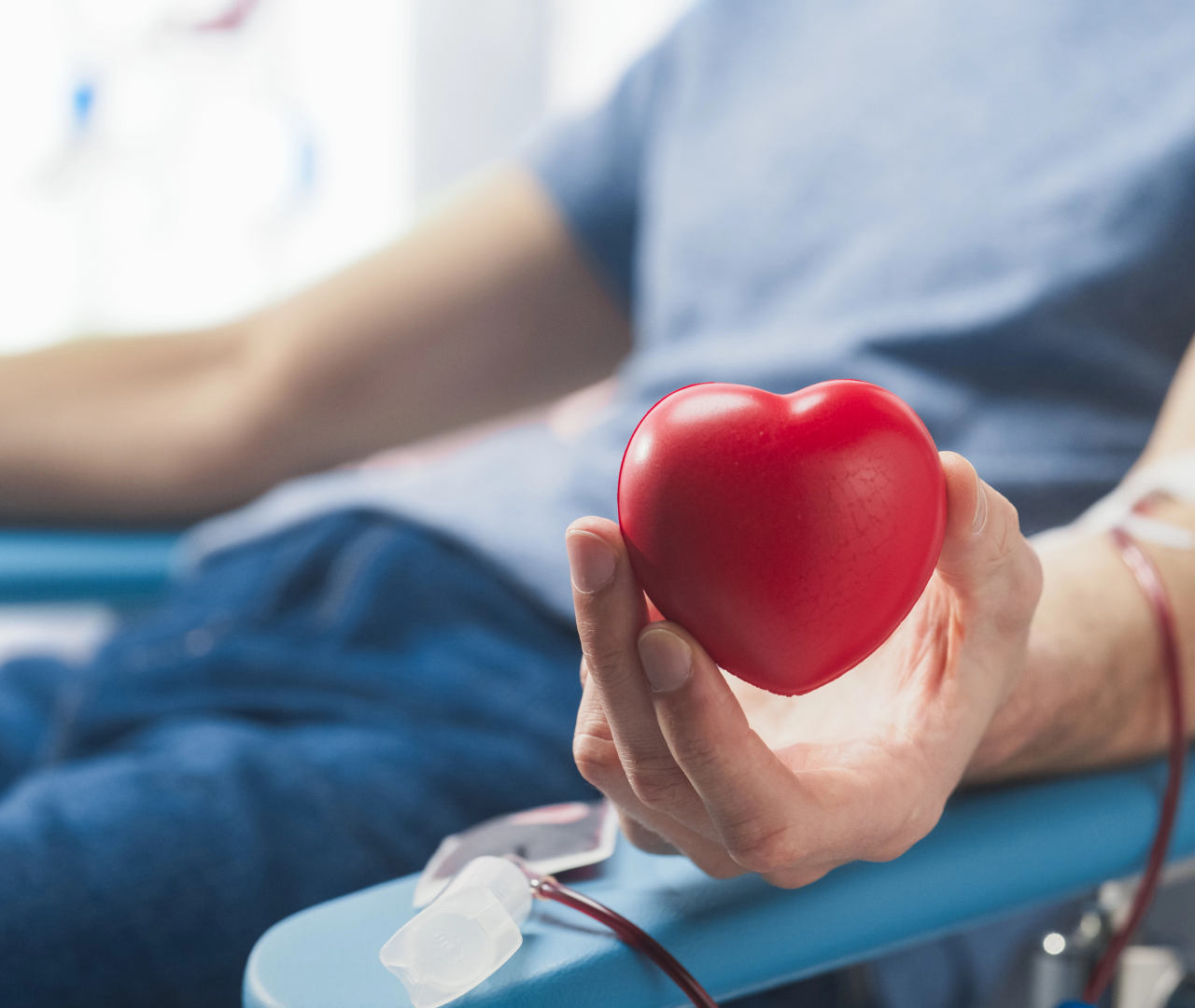
Every January, the world sees reminders announcing Blood Donor Month. Posters go up, campaigns launch, and people are encouraged to donate. It is all important. But as someone who owns a home care service and spends every day supporting seniors, people recovering from surgeries, and those living with chronic illnesses, I can tell you that…
-
Why National Take the Stairs Day Matters for Older Adults and Healthy Aging?

Every year, National Take the Stairs Day reminds us that even the smallest choices can support healthier living. For older adults, choosing stairs over elevators is more than a quick decision. It is a safe way to build strength, protect your heart, improve balance, and maintain confidence in your mobility. In senior care, simple daily…