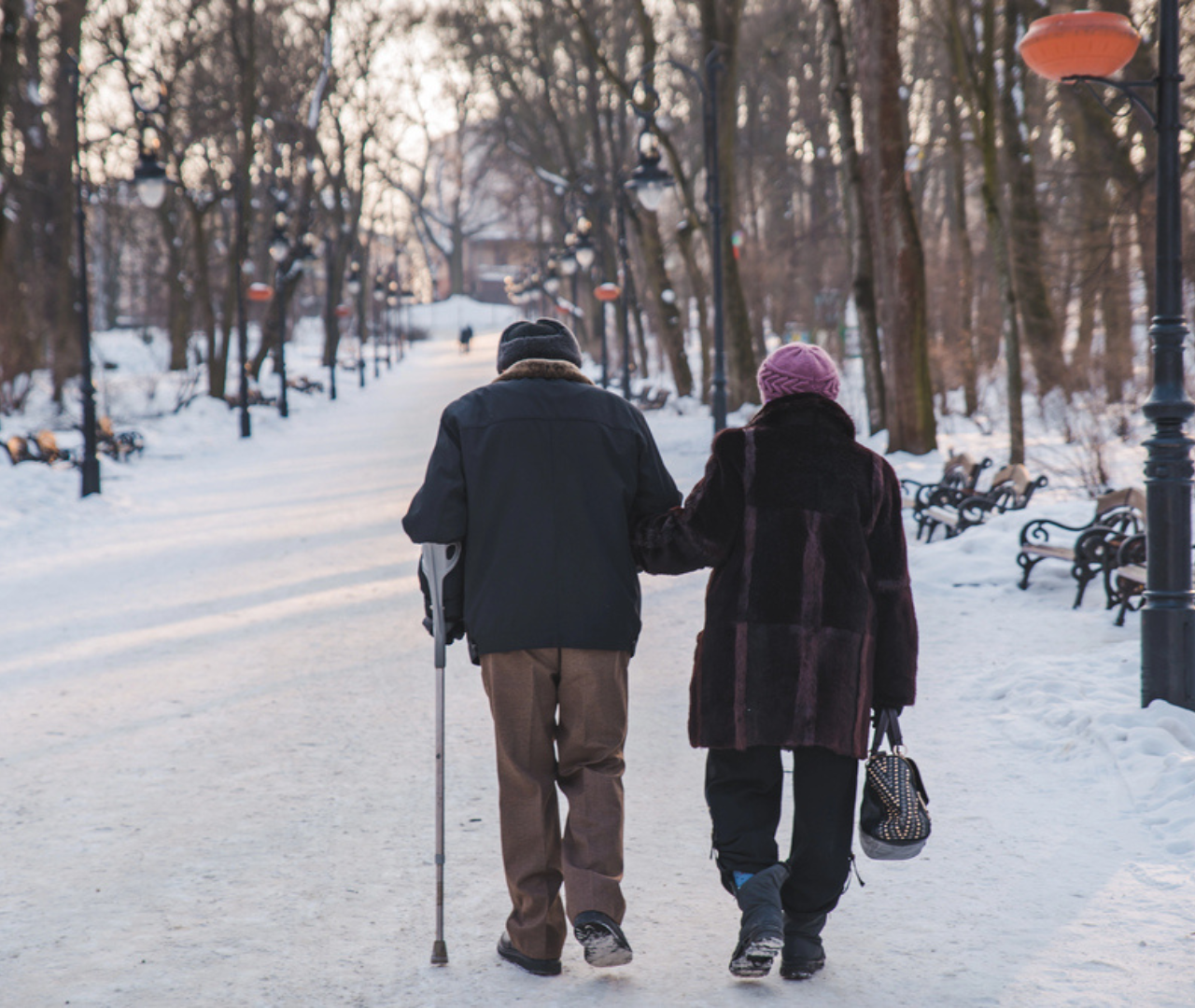
February often feels like a pause in the year.
The holidays are behind us. Spring still feels far away. Days are shorter, colder, and slower. For many older adults, this month becomes a time of waiting rather than moving.
After years of working closely with seniors and seeing how they live day to day, I have learned something important.
February is not a month that demands big changes. It is a month where small daily movements quietly protect aging bodies in powerful ways.
Why February Changes How Seniors Move
Cold weather affects the body more than we realize.
Muscles feel stiffer. Joints take longer to warm up. Getting out of bed or standing from a chair can feel heavier than usual. Because of this, many seniors naturally begin to move less.
The problem is not rest. The problem is stillness lasting too long.
In February, even a slight drop in daily movement can lead to noticeable changes in balance, circulation, and confidence.
Small Movements Keep the Body Awake
The aging body does not need intense exercise to stay protected. It needs regular reminders that movement is safe and possible.
Small daily movements do exactly that.
Simple actions like:
- Walking from room to room with intention
- Gentle stretching in the morning
- Standing up and sitting down a few extra times
- Reaching, bending, or turning during daily tasks
These movements keep muscles active, joints flexible, and blood flowing.
They quietly signal to the body that it is still capable.
Consistency Matters More Than Intensity
One thing I often notice is that seniors feel pressure to do “enough.” When movement feels difficult, they assume it is not worth trying at all.
In reality, consistency protects the body far more than effort.
Five minutes of movement done every day supports balance and mobility more than one long session done occasionally.
February is ideal for this approach because routines are already slower and more predictable.
Movement Supports Balance Without Drawing Attention
Falls rarely happen because someone is weak. They often happen because the body is not prepared for sudden movement.
Small daily movements help the body stay responsive.
They support:
- Faster reaction time
- Better coordination
- Improved posture
- Greater awareness of surroundings
None of this feels dramatic. That is what makes it effective.
The Emotional Impact of Staying Mobile
Movement is not just physical. It is emotional.
When seniors move less, confidence often fades quietly. They hesitate more. They plan their day around avoiding discomfort instead of enjoying it.
I have seen how even gentle movement can change this.
When seniors feel their bodies responding again, their mood lifts. They feel more in control. That sense of capability carries into other parts of life.
February can be emotionally heavy. Small movements help lighten that weight.
Cold Weather Makes Gentle Movement Even More Important
In colder months, circulation naturally slows. This can increase stiffness and discomfort, especially in hands, feet, and knees.
Small movements encourage circulation without stressing the body.
Walking indoors, light stretching, or simple mobility routines help keep warmth moving through the body naturally.
This reduces pain and makes daily tasks feel less demanding.
Why Stillness Feels Comfortable but Costs More Over Time
Rest feels good in winter. There is nothing wrong with slowing down.
But long periods of stillness can lead to:
- Increased joint stiffness
- Reduced muscle engagement
- Lower energy levels
- Decreased balance confidence
The body adapts quickly to what it practices. When stillness becomes the norm, movement feels harder than it should.
Small daily motion interrupts that cycle.
Movement Fits Into Real Life, Not the Other Way Around
One reason small movements work so well is that they do not require special equipment or schedules.
They fit naturally into daily routines.
Standing while talking on the phone. Stretching while waiting for tea to boil. Walking a short lap around the house before sitting down again.
These moments add up without feeling like effort.
February is the perfect month to notice and use these opportunities.
What Families and Caregivers Often Miss
Families often encourage seniors to exercise but overlook everyday movement.
They suggest programs, classes, or routines that feel overwhelming.
What truly helps is encouragement to move gently and often.
Reassurance matters more than instruction. Seniors need to feel safe moving, not evaluated.
February Is About Protection, Not Performance
This month is not about setting goals or pushing limits.
It is about maintaining what already exists.
Small daily movements protect strength, balance, and confidence without demanding change. They quietly preserve independence while respecting the body’s pace.
The Quiet Power of Showing Up for the Body
February does not ask for transformation. It asks for attention.
When aging bodies are given regular, gentle movement, they respond with resilience.
Not loudly.
Not dramatically.
But steadily.
And often, that quiet protection is exactly what carries seniors safely into the months ahead.